
What Happens During the Inspection Period in Colorado?
What Happens During the Inspection Period in Colorado? (2026 Guide)
By Dana Hillig, Colorado Realtor® – Hillig Homes
At First Glance
In Colorado, the home inspection period typically lasts 7 to 14 days from the day you go under contract. During that window, you hire a professional home inspector, review their report, and decide whether to accept the home as-is, ask the seller for repairs or credits, or terminate the contract – all with your earnest money intact. For homes in Denver, Littleton, Highlands Ranch, Centennial, Parker, Lone Tree, and other south Denver suburbs, this window is the single most important buyer-protection window in the entire transaction. Use it well, and you avoid expensive surprises. Skip it, and you own everything the inspection would have found.
Why This Matters
The inspection period exists because buying a home is too complex for any single tour to surface every issue. Sellers are not required to disclose everything. Some problems are invisible to anyone without specialized equipment – sewer cameras, infrared imaging, gas leak detectors. And most buyers are not trained to spot the things that actually matter long-term: foundation movement, roof age, sewer condition, electrical issues, radon.
A good inspector finds those things in 3–4 hours. The cost is usually $300–$500 for a standard inspection, plus add-ons for specialized testing. Compared to the $5,000–$30,000 issues an inspection can surface in a Denver-area home, it is the cheapest insurance you will ever buy.
There are two specific reasons inspections matter even more in the Denver area:
- Older suburb housing stock. Many homes in Littleton, parts of Centennial, and older sections of Highlands Ranch are 30–60+ years old. Sewer lines in older neighborhoods are often original cast iron or clay pipe and degrade over decades.
- Colorado-specific issues. Hail damage on roofs (Denver is one of the most hail-prone metro areas in the U.S.), expansive soil that affects foundations, and radon – Colorado has some of the highest indoor radon levels in the country due to uranium-rich rock.
A Real Moment I See Often
A first-time buyer couple in Centennial almost skips the sewer scope on a 1962 ranch they love. The standard inspection is $400. The sewer scope is another $200. They are already feeling stretched on inspection budget and the home looks great.
I push for the sewer scope anyway.
The scope reveals a partially collapsed clay sewer line about 25 feet from the foundation – an estimated $8,500 repair if they do nothing. We deliver an inspection objection requesting either repair or credit. The seller credits them $7,000.
Net effect of that $200 sewer scope: a $7,000 credit at closing on a problem they would have inherited within 2–3 years anyway.
That is what the inspection period does when you use it. It is not about finding a perfect home. It is about finding the things that turn into expensive surprises – and getting them addressed while you still have leverage.
What Can Help
The Standard Inspection – What’s Actually Covered
A standard home inspection in Colorado typically covers:
- Roof – age, condition, signs of hail damage
- Exterior – siding, visible foundation, drainage
- Plumbing – visible pipes, water pressure, fixtures
- Electrical – panel, visible wiring, outlets
- HVAC – furnace, AC, ductwork
- Interior – walls, ceilings, floors, windows, doors
- Attic and insulation
- Basement and crawl space – moisture, foundation, framing
- Appliances that come with the home
The inspector typically spends 3–4 hours on a single-family home. Cost: $300–$500.
The Specialized Inspections That Matter Most in Denver
These add to the base cost but are usually worth every dollar:
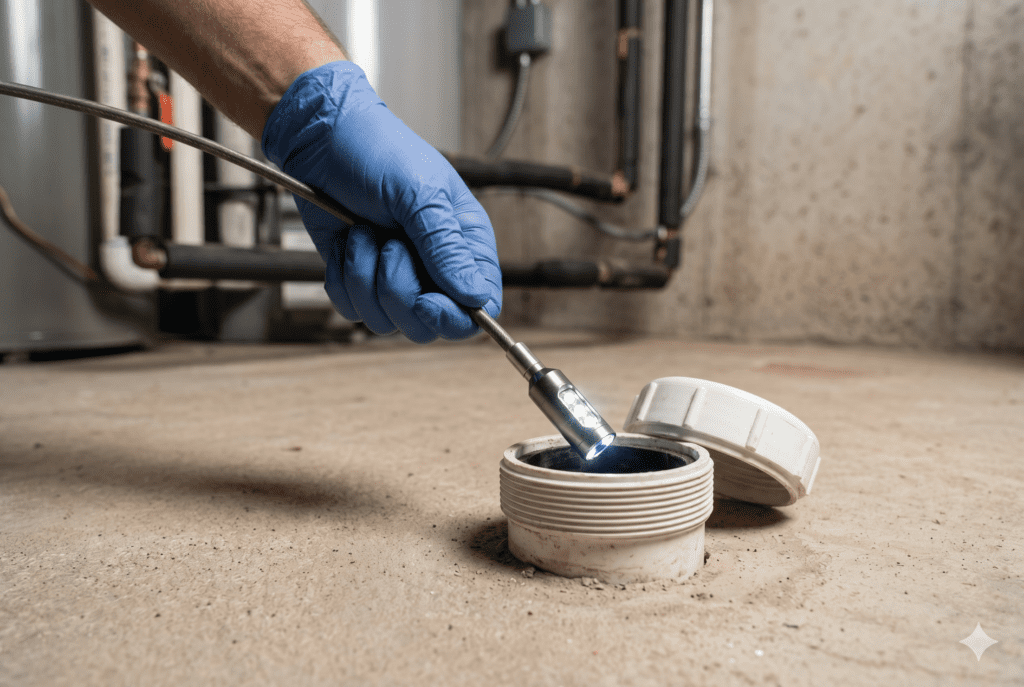
Sewer scope ($150–$250). A camera goes down the sewer line from the cleanout. Reveals breaks, root intrusion, partial collapses, bellies. Essential on any home built before 1990 in older Denver-area neighborhoods. Sewer line repairs in Denver run $5,000–$15,000+.
Radon test ($100–$200). A 48-hour test that measures radon levels. The EPA recommends mitigation above 4 pCi/L. Roughly half of Colorado homes test high. Mitigation costs $1,200–$2,500.
Roof inspection ($100–$300). Specifically for hail damage. Some local roofers offer this free if you might use them later. In Denver, roofs older than 12–15 years often qualify for insurance replacement after major hail events.
Foundation inspection ($300–$500). If the standard inspector flags concerns, a structural engineer’s inspection is the next step. Critical in older homes on Colorado’s expansive soil.
Mold inspection ($300–$600). If there are signs of moisture or staining. Less common but important in older basements.
Inspection Day – What to Expect
- Be present for the last hour if you can. The inspector walks through findings in person and answers questions you would never think to ask later. You will learn more in that hour than from reading the written report.
- Bring a notepad and your phone. Take pictures of anything mentioned.
- Don’t bring kids if you can avoid it. It’s a long, technical few hours.
- Ask, “Would you buy this house?” Inspectors usually won’t answer directly, but the way they answer tells you a lot.
Reading the Inspection Report
Inspection reports are typically 30–80 pages with photos. Don’t panic at the length – most homes generate long reports because the inspector is documenting everything, not just problems. The structure of a good report:
- Major issues – safety concerns, big-ticket repairs (usually called out at the top)
- Significant items – things you should address but aren’t urgent
- Minor items – cosmetic, deferred maintenance, “good to know”
I read every report alongside my buyers and color-code the findings. Red = major issue, ask the seller. Yellow = significant, decide if worth asking. Gray = minor, your problem after closing.
What to Ask the Seller (and What Not to Ask)
This is where strategy matters. You don’t ask for everything. You ask for what matters most.
Strong asks (typically reasonable):
- Major safety or system issues – roof, electrical, plumbing leaks, HVAC failures
- Items that would fail a future inspection
- Specific dollar-amount credit if the seller prefers cash to repairs
Weak asks (usually not worth requesting):
- Cosmetic items
- Normal wear and tear
- Personal preference upgrades
Two paths for getting issues addressed:
- Repairs by the seller. They hire and pay for the repair before closing.
- Credit at closing. They reduce the price or give you cash at closing to handle the repair yourself.
In Denver in 2026, sellers often prefer credits because they’re cleaner and faster. Buyers often prefer credits because they get to choose their own contractor.
Delivering the Inspection Objection
Per Colorado contract rules: written notice, delivered by the deadline, in the form the contract specifies. Not a phone call. Not a text to the listing agent. Written and delivered.
After you deliver the objection, the seller has a resolution deadline – typically 1 day – to respond. They can agree, counter-offer, or decline. If you can’t agree by the resolution deadline, the contract terminates and your earnest money is returned.
Common Things That Trip Buyers Up
- Skipping the sewer scope to save $200. The single most expensive mistake in older Denver-area homes.
- Not ordering the inspection fast enough. A 7-day window goes quickly when scheduling a sewer scope, radon test, AND standard inspection.
- Asking for too much. Sellers push back when the objection list reads like a wish list. Ask for what matters; let small things go.
- Asking for too little. First-time buyers often feel awkward asking for repairs. Don’t. The contract gives you this window for a reason.
- Treating the report as the final word. Your Realtor and inspector should help you interpret it. A 60-page report with no major findings reads scarier than it is.
- Missing the resolution deadline. Buyers focus so hard on the objection deadline that they forget the resolution deadline 3–7 days later.
FAQ
How much does a home inspection cost in Denver in 2026?
A standard inspection runs $300–$500 depending on home size and inspector. Add $150–$250 for a sewer scope, $100–$200 for a radon test, and varying amounts for specialty inspections. A complete inspection package on an older Denver-area home typically lands around $700–$1,000.
Should I be present at the inspection?
If you can, yes – at least for the last hour. The inspector walks through findings in person and answers questions. You’ll learn more in that hour than you will from reading the written report.
What is a sewer scope and why does it matter in Colorado?
A sewer scope is a small camera lowered into the home’s sewer line from a cleanout. It checks for breaks, root intrusion, bellies, and partial collapses. It matters in Colorado because many older homes have original clay or cast iron sewer lines that fail at 60–80 years old. Repairs typically run $5,000–$15,000+. The $200 scope is the cheapest insurance available.
Should I get a radon test in Colorado?
Yes. Colorado has some of the highest indoor radon levels in the country due to uranium-rich rock. Roughly half of Colorado homes test above the EPA action level. Radon mitigation costs $1,200–$2,500 and is something the seller will often pay for if discovered during inspection.
Can the seller refuse to fix anything?
Yes. Sellers are not legally required to fix anything you find. But the contract gives you the right to terminate if you and the seller can’t agree – so the leverage is real. In a balanced 2026 Denver market, sellers usually negotiate.
What’s the difference between a repair request and a credit?
A repair request asks the seller to fix something before closing – they hire the contractor, pay for the work, and you take the home in the better condition. A credit reduces the price or gives you cash at closing to handle the repair yourself. Both are common; credits give you control over who does the work.
Should I use the inspector my Realtor recommends?
You don’t have to – and you should always feel free to choose your own. That said, a Realtor who works with first-time buyers regularly has a list of inspectors who are thorough, communicative, and responsive on tight Colorado timelines. I keep a short list of inspectors I trust for first-time buyers in Denver and the south Denver suburbs.
How long after the inspection do I have to deliver the objection?
Your inspection objection deadline is set in the contract – typically 14 days from contract acceptance. The objection must be in writing, delivered, and received by the deadline. The same date can cover the inspection happening AND the objection being delivered, so timing matters.
Final Thoughts
The inspection period is not about finding a perfect home. It is about finding the things that turn into expensive surprises – and addressing them while you still have leverage.
A good inspection, used well, is the difference between owning a home you understand and owning one full of expensive secrets.
Work With Dana
If you want a Realtor who reads every inspection report alongside you, color-codes the findings, and helps you decide what’s worth asking for – I would love to help. Two ways to start, both free, both no-pressure:
- Download my free first-time buyer’s guide – covers every step of the buying process, including what to expect during the inspection period.
- Book a free Buyer Strategy Session – phone or video, your pace, zero pressure. We’ll talk through where you are and what comes next.
Dana Hillig – Hillig Homes · Colorado Realtor® serving Denver, Littleton, Highlands Ranch, Centennial, Parker, Lone Tree, and other south Denver suburbs. Brokered by Realty One Group Five Star.
Quick Recap
- The inspection period is 7–14 days in Colorado – your single most important buyer-protection window.
- A standard inspection runs $300–$500; budget $700–$1,000 total with sewer scope, radon, and specialty add-ons.
- Sewer scope is essential on any home built before 1990 in older Denver-area neighborhoods.
- Radon testing is recommended – Colorado has some of the highest indoor radon levels in the U.S.
- Be present for at least the last hour of the inspection if you can.
- Ask for repairs or credits on major issues; let cosmetic stuff go.
- Written delivery of the objection by the deadline – not a phone call, not a text.
- Don’t forget the resolution deadline that comes 1 day after your objection.